


Postcard-sized country flags affixed to each forecaster’s desk — ultramarine and gold for Barbados, the red-white-and-blue bars of Paraguay — stand out among the drab workstations at a US National Oceanic and Atmospheric Administration complex outside Washington, DC.
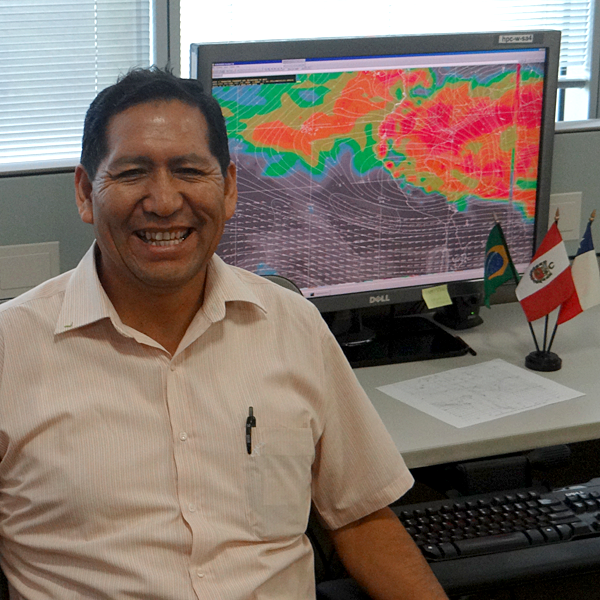
They represent just some of the dozens of nations that have sent their scientists to be trained by US experts since NOAA started its International Desks in 1988. Today, the program is a crucial source of American soft power, providing free data and expertise to countries desperate for high-quality forecasts as climate change brings the weather to new extremes. But NOAA’s influence ...
Learn more about Bloomberg Law or Log In to keep reading:
See Breaking News in Context
Bloomberg Law provides trusted coverage of current events enhanced with legal analysis.
Already a subscriber?
Log in to keep reading or access research tools and resources.